

TechNews
Latest updates and insights on tech.

AI for Environmental Protection
Artificial intelligence is playing a growing role in promoting global environmental safety, offering innovative solutions for some of the planet’s most pressing challenges. This study examines the diverse applications of AI, ranging from monitoring air and water quality to supporting wildlife conservation, combating climate change, and controlling pollution. By enabling smarter, data-driven strategies, AI has proven to be a powerful tool in advancing sustainability and strengthening environmental protection efforts worldwide.

Future Mobile App Trends
Current trends in mobile app interface design are pushing toward more intuitive, adaptive, and user-focused experiences. This study combines a literature review, analysis of top-performing apps, and expert insights to examine key design elements—spanning UX, UI aesthetics, and the integration of technologies like AI and AR. The findings emphasize the rising importance of personalization, minimalist design, and seamless functionality. These trends indicate a future where mobile interfaces foster deeper engagement and enhanced user satisfaction through intelligent, responsive design.

AI for Dynamic Content
Content creators are increasingly turning to artificial intelligence to streamline and enhance the content generation process. This study examines different approaches to leveraging AI, analyzing their effectiveness and implications. It offers insights into how these technologies can enhance creativity and efficiency, while also addressing the challenges that arise from integrating AI into content workflows.

AI in UX Design
The role of Artificial Intelligence in UX design is reshaping how users interact with digital products. This study explores how AI enhances usability, satisfaction, and overall experience, detailing the methods used, key findings, and what they mean for integrating AI-driven improvements into modern design workflows. It offers clear takeaways for designers and researchers working at the intersection of technology and user experience.
Generative Models: Data Creation
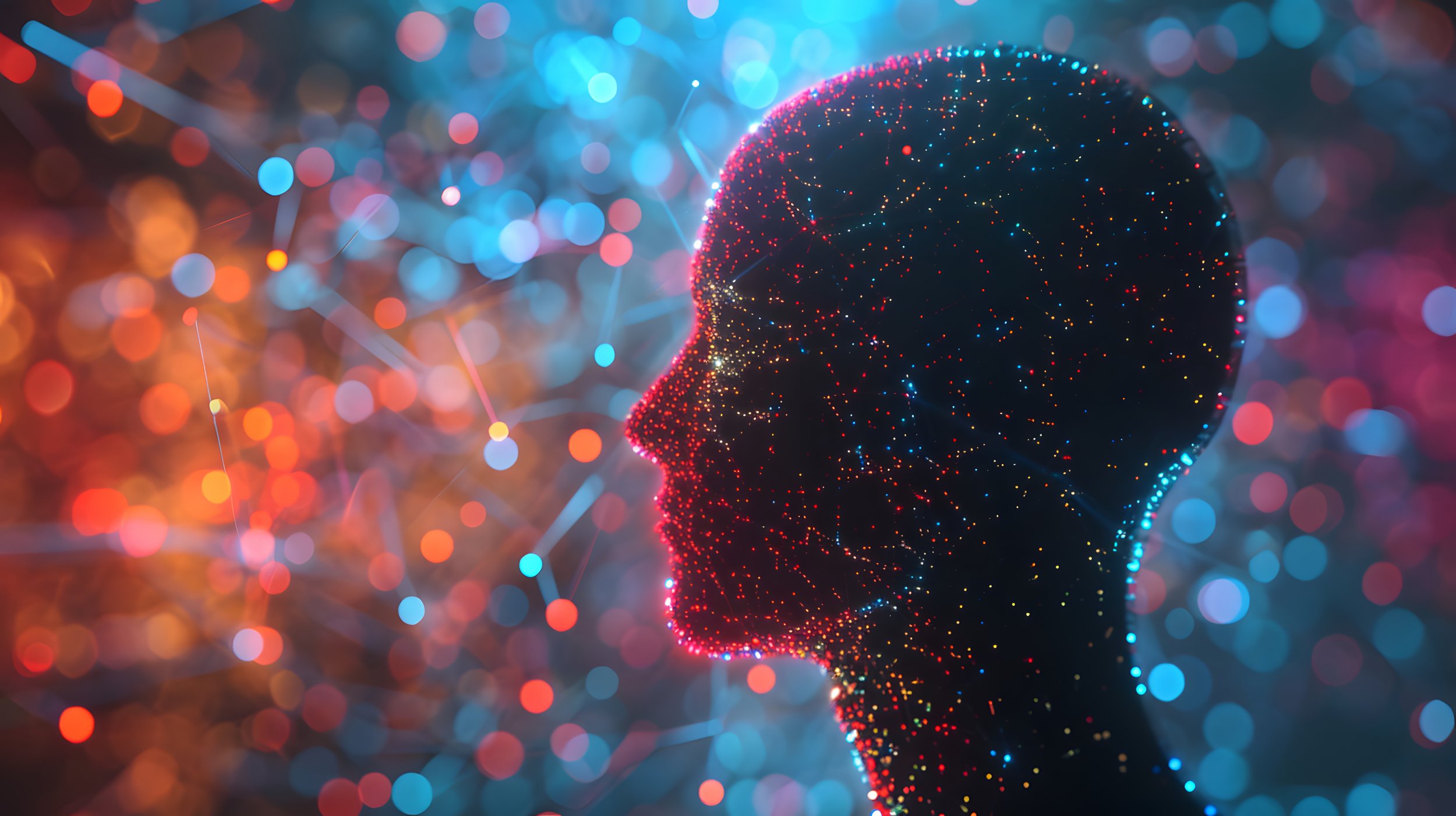
Deep learning has revolutionized various fields by enabling machines to learn complex patterns from data. However, a significant limitation of traditional deep learning models lies in their focus on classification or prediction tasks. Generative models, a subfield of deep learning, address this gap by learning the underlying distribution of data and generating entirely new samples that resemble the training data. This article delves into the concept of generative models, exploring their core principles and the various techniques employed, with a particular focus on Generative Adversarial Networks (GANs). We discuss the applications of generative models in creating realistic images, sounds, and even text formats, highlighting their potential to revolutionize various creative industries and scientific research fields.

AI in Healthcare: Predictive Analytics
The healthcare landscape is transforming by integrating artificial intelligence (AI) and machine learning (ML) technologies. AI-driven predictive analytics emerges as a powerful tool, leveraging vast amounts of patient data to anticipate health risks, personalize treatment plans, and optimize resource allocation. This article explores the potential of AI in healthcare, focusing on how predictive analytics contribute to improved patient outcomes and preventive care. We examine how machine learning algorithms analyze patient data to identify patterns and correlations associated with specific diseases or health conditions. We discuss the benefits of AI-driven predictions, including early disease detection, tailored treatment approaches, and proactive risk management. Challenges concerning data privacy, security, and model bias are addressed, along with ethical considerations surrounding the use of AI in healthcare decision-making. Finally, we explore the future directions of AI-driven predictive analytics and its potential to revolutionize healthcare delivery.