

TechNews
Latest updates and insights on tech.
Efficiency Through Automation
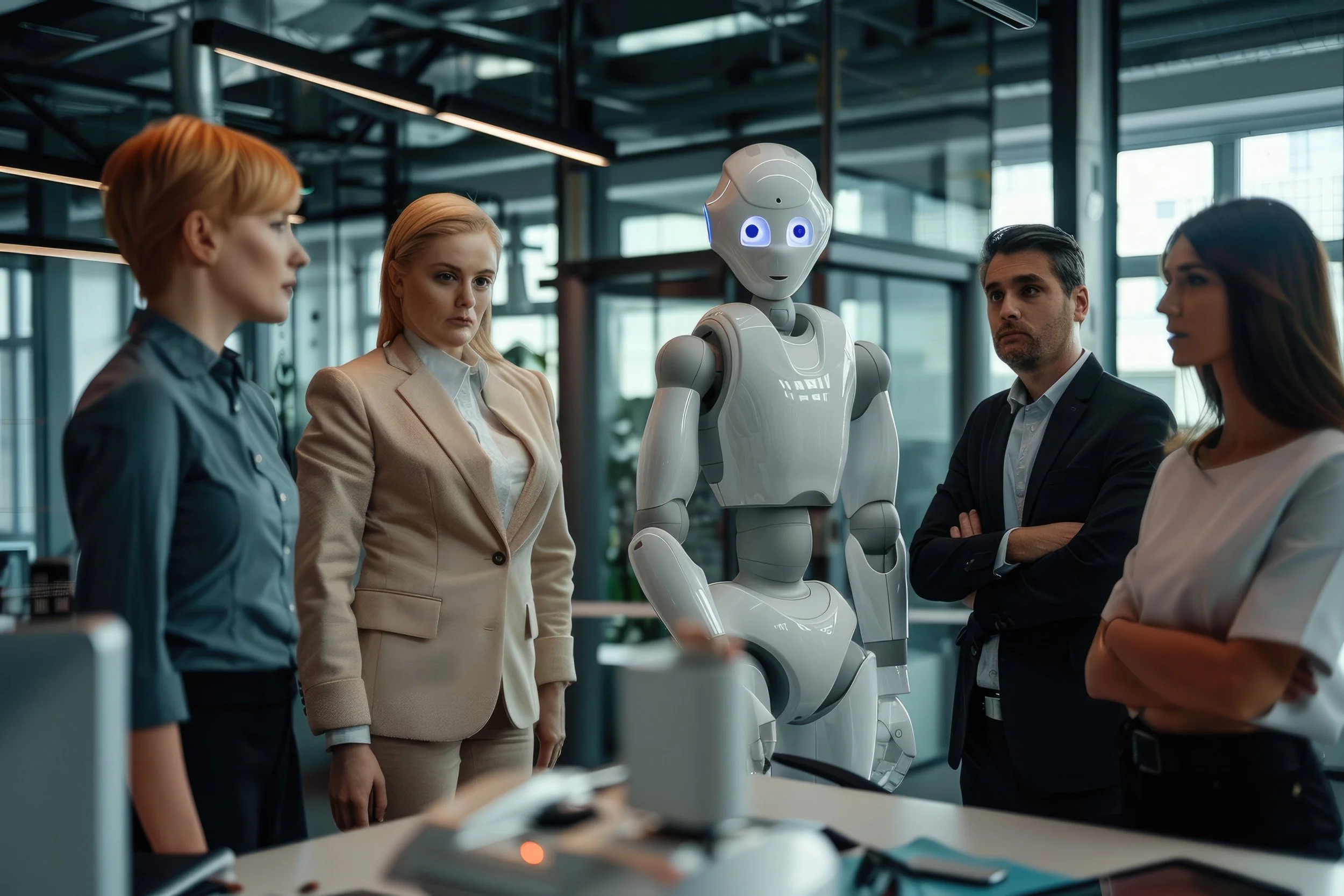
This article explores how automation is transforming the modern workplace by redefining roles, enhancing efficiency, and freeing employees from repetitive tasks. It discusses how organizations are integrating technologies like RPA and AI to streamline workflows, create new hybrid job functions, and drive smarter business operations—while also addressing the cultural and ethical challenges that come with this transformation.

Smart Tools for Hybrid Teams
This article explores the cutting-edge tools and trends shaping collaboration in hybrid work environments as of 2025. It examines how AI-powered assistants, cloud-based platforms, and immersive technologies like VR and AR are transforming how teams work across locations. The piece also highlights the importance of inclusive design, secure infrastructure, and human-centered strategies to ensure that hybrid collaboration is not only efficient but also equitable and engaging. For businesses navigating the future of work, these innovations are redefining what it means to stay connected, productive, and innovative in a distributed workforce.

Preparing the AI Workforce
This article explores how organizations in 2025 can prepare their teams for the rise of AI and automation. It offers insights into the skills, leadership strategies, and cultural shifts needed to build a resilient, empowered, and AI-literate workforce capable of thriving in the age of intelligent technology.

Employee Wellness Platforms
This article explores how Employee Experience Platforms (EXPs) in 2025 are revolutionizing how companies integrate wellness and productivity. From AI-powered feedback to embedded mental health tools, EXPs help organizations build workplaces where employees feel supported, engaged, and equipped to succeed. As work becomes more digital and distributed, these platforms serve as the connective tissue between people, purpose, and performance.

Monetizing Business Analytics
This article explores how enterprises are turning analytics into business value by developing data-driven models that generate revenue, improve services, and drive innovation. It outlines monetization strategies, infrastructure needs, and ethical considerations that define success in 2025’s data economy—where insights aren’t just informative, but profitable.

Leadership in Tech Organizations
Digital transformation isn’t just about adopting new technologies—it’s about enabling people to thrive in digital environments. This article explores the leadership styles, skills development, and cultural shifts organizations must prioritize in 2025 to succeed in a tech-driven world. From empathy-driven leadership to continuous learning, it highlights how human-centered strategies power long-term digital success.

Digital-First Culture Shift
This article explores how legacy organizations can move beyond one-time digital transformation projects to build lasting, digital-first cultures. It breaks down the barriers to cultural change, the leadership mindsets needed, and the daily behaviors that reinforce agility, collaboration, and innovation. In 2025, digital-first isn’t a toolset—it’s a way of thinking and operating across the entire organization.

AI Meets IoT Networks
This article examines the powerful convergence of artificial intelligence and the Internet of Things, highlighting how intelligent edge devices are revolutionizing real-time decision-making in smart networks. From smart cities and hospitals to factories and farms, AIoT is enabling a new class of systems that can sense, learn, and act autonomously. The piece explores key applications, technical challenges, and the future of connected intelligence in 2025.

Cybersecurity 2025: AI vs AI
This article explores the escalating AI-driven cyber arms race unfolding in 2025. It dives into how both attackers and defenders are using artificial intelligence to outmaneuver each other in real-time digital warfare. From autonomous malware to adversarial learning and AI-powered defense systems, the piece outlines the technologies, risks, and ethical questions driving the next phase of cybersecurity innovation.

Securing Critical IoT Systems
As IoT devices become central to the operation of energy grids, hospitals, transit systems, and other vital services, ensuring their security is critical. This article outlines the risks, regulations, and best practices surrounding IoT security in critical infrastructure in 2025. From cyberattacks to outdated systems, it explores how organizations can defend their connected environments with proactive design, regulatory compliance, and advanced threat detection.
Interpretable AI Models
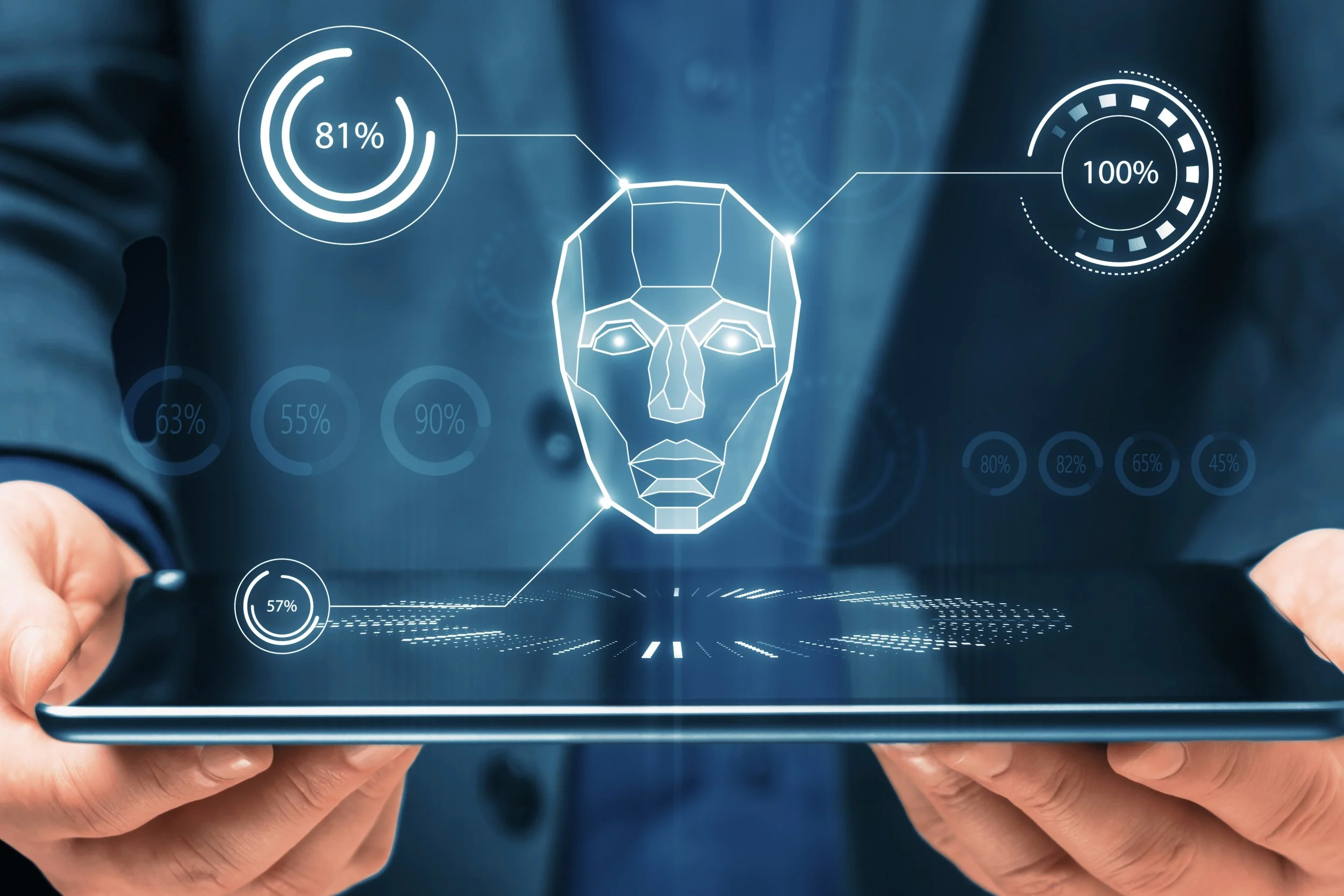
This article explores the growing demand for interpretable AI in high-stakes decision-making, where transparency and accountability are critical. It discusses the importance of human-understandable models, the technical methods used to achieve interpretability, and real-world applications across healthcare, finance, and justice. With ethical implications and regulatory pressure rising in 2025, building AI systems that users can trust and understand is no longer optional—it’s essential to ensure responsible, equitable, and effective decision support.

AI for Decision Support
In 2025, artificial intelligence has become an essential tool in supporting decision-making across industries. This article explores how AI-enhanced systems assist humans in navigating complex choices through real-time data analysis, predictive modeling, and risk assessment. Rather than replacing human insight, these tools amplify it—allowing leaders, professionals, and organizations to make faster, more informed, and context-aware decisions. With examples from healthcare, finance, government, and emergency response, the article highlights the advantages and limitations of AI in decision support, and stresses the importance of maintaining human judgment, ethical safeguards, and transparency in every AI-assisted process.

Artists Collaborate with AI
This article explores how AI is transforming creative work by enabling designers, musicians, and artists to collaborate with intelligent systems. It highlights key tools, workflows, and ethical considerations in this new era of AI-augmented creativity.

Edge AI for Real-Time
Edge AI is changing how machine learning is deployed by bringing intelligence directly to devices. This article explores its advantages in latency, privacy, and real-time performance, while highlighting its role in critical sectors like healthcare, manufacturing, and smart cities.

Governing AI Responsibly
This article examines the urgent need for ethical and regulatory frameworks in artificial intelligence as we move through 2025. It covers foundational principles, current challenges, international governance efforts, corporate responsibility, and public engagement—all critical to ensuring AI systems remain responsible, fair, and trustworthy.

Tech-Driven Time Management
This article explores how modern technology enhances productivity by supporting better time management practices. It outlines psychological challenges like procrastination and time misjudgment, then shows how automation tools, AI-powered scheduling assistants, and distraction blockers help individuals stay organized and focused. Task prioritization platforms, time tracking tools, and digital collaboration apps play a pivotal role in maximizing efficiency. The article also discusses how technology contributes to work-life balance and previews future innovations like AI-driven schedule optimization.

The Rise of Digital Nomads
Digital nomadism is transforming the traditional 9-to-5 office model by enabling professionals to work from anywhere. Powered by remote work technologies and shifting lifestyle values, this trend is redefining corporate culture, employee expectations, and talent acquisition strategies. It offers companies access to a global workforce and helps employees achieve better work-life balance. While it brings challenges in communication and management, businesses that adapt by investing in tech and inclusive practices can thrive in this location-independent era.

Workplace Wellness for Growth
Prioritizing employee well-being has emerged as a strategic imperative for businesses aiming to gain a competitive edge. Organizations that invest in the health, happiness, and work-life balance of their employees witness enhanced productivity, increased retention rates, and a more engaged workforce. By fostering a supportive work environment through wellness programs, flexible work arrangements, and mental health support, companies not only boost employee morale but also attract top talent. Leadership plays a pivotal role in this transformation, emphasizing empathy and open communication. Measuring the impact of well-being initiatives through metrics like employee satisfaction and turnover rates enables organizations to refine their strategies, ensuring sustained organizational performance and success.

Smart Collaboration with AI
Artificial Intelligence (AI) is revolutionizing workplace productivity and collaboration by automating routine tasks, enhancing communication, and providing data-driven insights. AI-powered tools streamline processes, allowing employees to focus on higher-value activities, while virtual assistants and collaborative platforms facilitate seamless communication, especially in remote and hybrid work environments. By analyzing vast datasets, AI aids in informed decision-making, supports innovation through knowledge-sharing platforms, and monitors workloads to promote employee well-being. As AI technologies continue to evolve, they are poised to become integral partners in the workplace, augmenting human capabilities and fostering a more efficient, collaborative, and satisfying work environment.

The Shift to Hybrid Work
The emergence of hybrid work models, blending remote and in-office work, is fundamentally transforming corporate culture. This shift necessitates changes in leadership approaches, emphasizing trust and autonomy over traditional supervision. Employees benefit from increased flexibility, enhancing work-life balance and job satisfaction. However, hybrid work also presents challenges in communication, collaboration, and maintaining organizational cohesion. To address these, companies are investing in technology, redefining workplace design, and implementing strategies to foster inclusivity and employee engagement. As hybrid work becomes more prevalent, organizations must adapt to sustain a cohesive culture and ensure long-term success.